5 AI Use Cases in Healthcare That Are Actually Working (Not Hype)
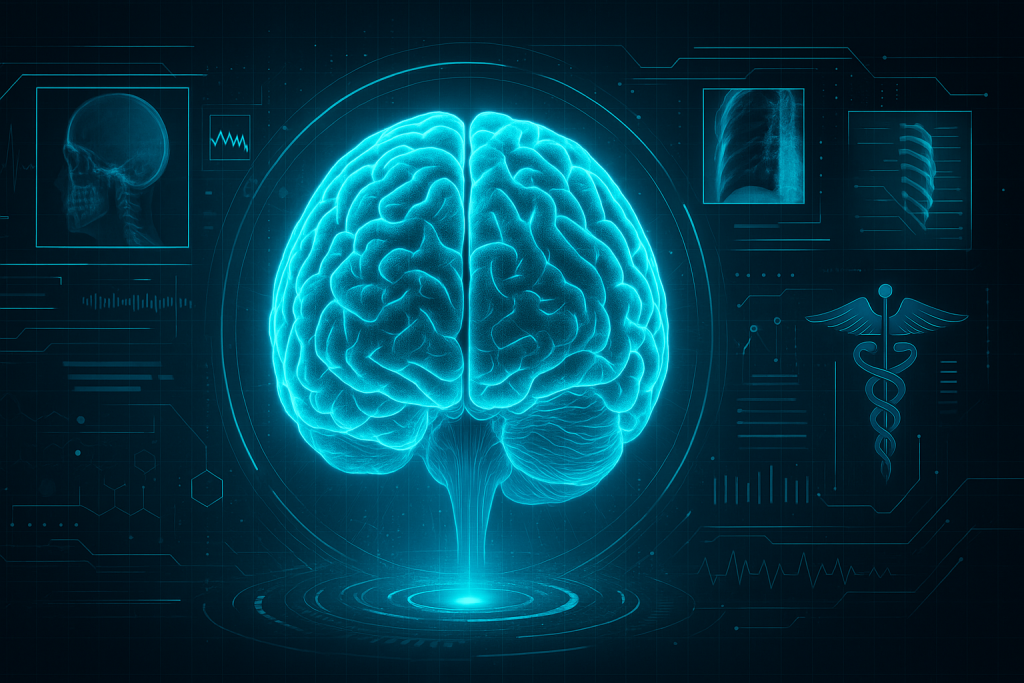
5 AI Use Cases in Healthcare That Are Actually Working (Not Hype)
If you’ve attended a healthcare conference lately or scrolled through LinkedIn, you’d think AI has already solved every medical challenge known to humanity. The reality? Most of the breathless headlines about AI “revolutionizing” healthcare are either pilot programs that never scale, research papers that never leave the lab, or thinly veiled marketing campaigns.
But here’s the thing: buried beneath the mountain of hype, there are real AI applications saving lives, reducing costs, and improving patient outcomes today. Not in five years. Not “pending regulatory approval.” Right now, in actual hospitals with real patients.
I’m not talking about speculative use cases or impressive demos. These are battle-tested applications with published results, measurable ROI, and growing adoption rates. Let’s separate the signal from the noise.
Why Most “AI in Healthcare” Stories Are Misleading
Before we dive into what’s actually working, let’s address why there’s so much confusion.
The healthcare AI landscape is cluttered with:
- Research ≠ Reality: An algorithm that performs well in a controlled study often fails in messy clinical environments
- Pilot purgatory: Solutions that work in one hospital but can’t generalize to others
- Regulatory roadblocks: Promising tech stuck in FDA approval limbo for years
- Integration nightmares: Systems that can’t talk to existing electronic health records
- Adoption resistance: Clinicians who refuse to change workflows, no matter how good the AI
The use cases I’m covering have cleared these hurdles. They’re deployed, they’re working, and they have the data to prove it.
1. Medical Imaging Analysis: From Radiologist Assistant to Essential Tool
What It Does: AI systems analyze medical images (X-rays, CT scans, MRIs, mammograms) to detect abnormalities, prioritize urgent cases, and reduce diagnostic errors.
Why It’s Not Hype: This is the most mature AI application in healthcare, with FDA-approved systems processing millions of real patient scans.
The Real-World Impact
Medical imaging AI has moved far beyond “proof of concept.” Multiple FDA-cleared systems are now standard equipment in radiology departments:
Stroke Detection: AI algorithms can identify large vessel occlusions (blockages causing strokes) in CT scans within minutes. Systems like Viz.ai and RapidAI automatically alert stroke teams when they detect critical findings, even sending notifications directly to physicians’ smartphones. The result? Studies show door-to-treatment times reduced by 30-50 minutes—and in stroke care, every minute matters. The American Heart Association estimates that for every 15-minute reduction in treatment time, patients gain an average of one month of additional disability-free life.
Lung Nodule Detection: Detecting small lung nodules in CT scans is tedious work prone to human error—radiologists might review hundreds of slices per scan. AI systems can flag suspicious nodules with sensitivity rates exceeding 94%, often catching findings that human readers initially miss. At Mount Sinai Health System, their AI implementation reduced missed lung nodules by 23% compared to radiologist-only reads.
Mammography Screening: Perhaps the most impressive success story is in breast cancer screening. Sweden’s Karolinska University Hospital deployed AI to read mammograms alongside radiologists. The results from their 80,000-patient study published in 2023 showed that AI-supported screening detected 20% more cancers while reducing radiologist workload by 44%. Think about that: better outcomes with less physician burnout.
Why It Works Where Others Don’t
Medical imaging AI succeeds because:
- Clear input/output: Images go in, annotations come out—no ambiguity
- Abundant training data: Millions of labeled scans exist for training
- Measurable outcomes: Either the AI finds the cancer or it doesn’t
- Workflow integration: Can slot into existing PACS systems without major disruption
- Augmentation not replacement: Radiologists still make final decisions, reducing resistance
The Practical Limitations
Even successful imaging AI has boundaries:
- Still struggles with rare conditions (not enough training examples)
- Performance degrades with different scanner types or protocols
- Requires ongoing monitoring for “model drift” as imaging technology evolves
- Can’t replace clinical context—a finding’s significance depends on patient history
Bottom line: This isn’t a future promise. Hospitals are using imaging AI daily, and the clinical evidence supporting its value continues to mount.
2. Sepsis Prediction: Catching the Silent Killer Before It’s Too Late
What It Does: AI monitors patient data streams in real-time to predict sepsis onset 4-12 hours before clinical symptoms appear.
Why It’s Not Hype: Epic’s sepsis prediction model alone is deployed across hundreds of hospitals, monitoring millions of patients annually.
Understanding the Problem
Sepsis kills 350,000 Americans annually—more than prostate cancer, breast cancer, and AIDS combined. It’s a life-threatening condition where the body’s response to infection causes organ damage. The cruel irony? It’s often preventable with early treatment, but symptoms are vague and easy to miss until it’s too late.
Every hour of delayed treatment increases mortality by 7-9%. Traditional early warning scores (like SIRS or qSOFA) have poor predictive accuracy, often triggering alerts for stable patients while missing deteriorating ones.
How AI Changes the Game
Machine learning models continuously analyze dozens of variables from electronic health records:
- Vital signs (heart rate, blood pressure, temperature, respiratory rate)
- Lab values (white blood cell count, lactate, creatinine)
- Medications administered
- Demographic factors and comorbidities
- Subtle trends invisible to human monitoring
Johns Hopkins Hospital’s Targeted Real-time Early Warning System (TREWS) demonstrates the potential. Their AI model analyzes over 100 clinical variables and achieved:
- 82% sensitivity for sepsis detection
- 3-hour average advance warning before traditional recognition
- 17% reduction in 30-day mortality when combined with aggressive treatment protocols
- 31% reduction in sepsis-related hospital length of stay
The University of Pennsylvania Health System saw similar results with their Sepsis Watch program, which combines AI prediction with a rapid response team. Their implementation showed nearly 2x faster antibiotic administration for predicted sepsis cases.
The Implementation Reality
Sepsis prediction isn’t plug-and-play. Successful deployment requires:
Alert Fatigue Management: Early implementations triggered too many false positives, causing nurses to ignore warnings. Successful systems tune thresholds to balance sensitivity with alert volume—typically aiming for 5-10 alerts per day per 100 patients.
Workflow Integration: Simply generating an alert isn’t enough. The best implementations automatically:
- Page rapid response teams
- Generate order sets for providers
- Document predictions in the chart for continuity
Continuous Recalibration: Patient populations and hospital protocols change. Models need regular retraining to maintain accuracy.
Where It Still Falls Short
- High false positive rates: Even the best models generate 5-10 false alarms for every true positive
- Treatment variability: Predicting sepsis only helps if there’s a coordinated response protocol
- Data dependency: Requires complete, timely EHR data—doesn’t work if vital signs aren’t entered promptly
Bottom line: Sepsis prediction AI has moved from research to routine care in major health systems, with measurable mortality reductions. But it’s not a magic bullet—success requires organizational commitment to act on predictions.
3. Clinical Documentation: Finally Freeing Doctors from Keyboard Prison
What It Does: AI listens to patient-physician conversations, automatically generates clinical notes, and populates electronic health records.
Why It’s Not Hype: Physician burnout is at crisis levels, with doctors spending 2 hours on documentation for every 1 hour of patient care. AI scribes are already changing this ratio.
The Documentation Crisis
Ask any physician what they hate most about modern medicine, and “the computer” tops the list. The electronic health record—intended to improve care—has become a ball and chain. Primary care doctors spend 5-6 hours daily on documentation, often continuing work at home. This “pajama time” contributes directly to the epidemic of physician burnout, with 63% of doctors reporting symptoms and 1 in 5 planning to leave medicine within two years.
How AI Ambient Scribes Work
Unlike early voice recognition systems that required doctors to dictate in rigid formats, modern AI scribes use:
- Natural conversation capture: Microphone or smartphone captures the normal patient-doctor dialogue
- Speech recognition + NLP: Converts speech to text and understands medical context
- Note generation: Creates structured clinical notes with proper sections (HPI, physical exam, assessment, plan)
- EHR integration: Populates relevant fields in the medical record automatically
Systems like Nuance DAX Copilot, Abridge, and Suki are now used by tens of thousands of physicians across specialties.
The Real-World Results
The numbers from deployed systems are striking:
Time savings: Studies of ambient AI documentation show:
- 70% reduction in documentation time (from ~4 hours to ~1.2 hours daily)
- Notes completed during or immediately after visits instead of evening “catch-up” sessions
- Average of 2-3 extra minutes per visit spent facing patients instead of computers
Quality improvements:
- More comprehensive notes with better capture of patient concerns
- Fewer billing/coding errors
- Better capture of social determinants of health and patient context often omitted in rushed typing
Physician satisfaction: In University of Kansas Health System’s deployment of AI documentation:
- 77% of physicians reported reduced burnout
- 85% said they spent more time making eye contact with patients
- 90% wanted to continue using the system permanently
Financial ROI: Beyond the human element, the business case is solid:
- Physicians can see 1-2 additional patients daily without extending hours
- Reduced need for medical scribes (saving $25-35 per hour per physician)
- Better documentation means more accurate coding and reimbursement
Not Without Growing Pains
AI documentation isn’t perfect:
- Accuracy issues: Still makes mistakes with medical terminology, especially in noisy environments
- Privacy concerns: Recording patient conversations raises HIPAA considerations
- Note bloat: Can generate overly verbose notes that bury key information
- Requires editing: Doctors must review and correct before signing—not fully hands-off
Why This One’s Here to Stay
Unlike more speculative AI applications, documentation assistance solves an immediate, painful problem with a clear ROI. Physicians see the benefit within days. Healthcare systems see returns within months. And most importantly, it addresses the single biggest driver of physician burnout without requiring systemic healthcare reform.
Bottom line: AI documentation isn’t just working—it’s expanding rapidly because both doctors and administrators recognize its value immediately.
4. Medication Management: Preventing Errors Before They Harm Patients
What It Does: AI systems analyze medication orders in real-time to identify dangerous drug interactions, dosing errors, and inappropriate prescriptions before they reach patients.
Why It’s Not Hype: Medication errors cause 7,000-9,000 deaths annually in the US and cost $40 billion. AI-powered clinical decision support is measurably reducing these numbers.
The Medication Safety Crisis
Prescribing medication is far more complex than most people realize. A typical hospitalized patient receives 10-15 medications simultaneously. Each drug has:
- Potential interactions with every other drug
- Dosing adjustments based on kidney and liver function
- Contraindications based on patient allergies and conditions
- Age-specific considerations
- Timing requirements
Physicians must juggle this complexity under time pressure, leading to predictable errors. Traditional alert systems in electronic health records generate so many low-value warnings that doctors override 90% of them—including some critical ones.
How AI Improves on Basic Alerts
Modern AI medication safety systems go beyond simple rule-based checking:
Context-Aware Alerting: Instead of flagging every theoretical interaction, AI considers:
- Patient-specific risk factors and lab values
- Severity and likelihood of actual harm
- Alternative medications available
- Historical physician override patterns to reduce alert fatigue
Predictive Adverse Event Detection: Machine learning models analyze patterns in patient data to predict who’s at high risk for adverse drug events before they occur. These systems can identify patients likely to experience:
- Acute kidney injury from NSAIDs or contrast dye
- Bleeding complications from anticoagulants
- Arrhythmias from QT-prolonging medications
Dosing Optimization: AI can calculate optimal doses based on:
- Body weight, age, and organ function
- Pharmacokinetic modeling
- Real-world effectiveness data from thousands of similar patients
Real Deployments, Real Results
Vanderbilt University Medical Center implemented an AI system that predicts acute kidney injury risk before nephrotoxic medications are given. Results from their 300,000+ patient study:
- 23% reduction in medication-induced kidney injury
- 35% fewer alerts presented to physicians (fewer false positives)
- $2.4 million annual savings from prevented complications
Intermountain Healthcare’s AI medication management system analyzes antibiotic prescriptions for appropriateness:
- Reduced inappropriate antibiotic use by 27%
- Decreased C. difficile infections (a common antibiotic complication) by 19%
- Improved antibiotic resistance patterns across their health system
Kaiser Permanente deployed machine learning to optimize warfarin dosing (a notoriously difficult-to-dose blood thinner):
- Patients reached therapeutic range 1.5 days faster on average
- 31% reduction in bleeding complications
- 24% reduction in blood clots compared to standard dosing protocols
The Secret Sauce: Integration
What makes these systems work when basic drug-drug interaction checkers fail?
- Deep EHR integration: Pull complete patient context, not just current orders
- Reduced alert volume: Only surfacing high-priority, actionable warnings
- Suggesting alternatives: Not just saying “no” but offering “try this instead”
- Learning over time: Adapting to local prescribing patterns and patient populations
Current Limitations
- Rare drug combinations still challenge systems (limited training data)
- Can’t account for patient preferences and quality of life considerations
- Requires high-quality structured data in the EHR
- May miss over-the-counter medications and supplements patients don’t report
Bottom line: Medication safety AI represents one of the clearest risk-reduction opportunities in healthcare. It’s preventing harm daily in hospitals that have implemented sophisticated systems, though many facilities still rely on antiquated alert systems.
5. Hospital Capacity Management: Making Chaos Predictable
What It Does: AI predicts patient admissions, length of stay, and discharge timing to optimize hospital bed allocation, staffing, and resource utilization.
Why It’s Not Hype: Hospitals operate on razor-thin margins. Better capacity management directly impacts financial viability and patient safety—making this AI application particularly attractive to administrators.
Why Hospital Capacity Is So Messy
Walk into any hospital administrator’s office and ask about their biggest operational headache. The answer is almost always capacity management:
- Emergency departments overflow with admitted patients waiting for beds (ED “boarding”)
- Elective surgeries get cancelled because no ICU beds are available
- Nurses work short-staffed because census projections were wrong
- Patients experience delays throughout their care journey
Traditional approaches rely on historical averages and gut feelings. “Mondays are always busy” and “we need more nurses in winter” are hardly sophisticated strategies.
How AI Brings Predictability to Chaos
Machine learning models analyze hundreds of variables to forecast:
Admission predictions (12-72 hours out):
- ED visit volume based on weather, day of week, local events, historical patterns
- Likelihood of ED patients requiring admission
- Elective surgery schedules and expected complications
- Transfer patterns from other facilities
Length of stay predictions:
- Expected duration for each admitted patient based on diagnosis, age, comorbidities
- Probability of complications that extend stays
- Social determinants that affect discharge (home support, insurance, etc.)
Discharge timing:
- Which patients are likely to discharge today
- Optimal discharge time windows
- Readmission risk scores to guide discharge planning
Deployed Systems Showing Results
Johns Hopkins Medicine implemented an AI-driven capacity management system called the Patient Placement Center:
- Reduced ED boarding time by 47 minutes per patient
- Improved OR schedule utilization by identifying optimal surgery times
- Decreased last-minute elective surgery cancellations by 35%
- Better matched patients to appropriate care units (right patient, right bed)
Banner Health System deployed predictive analytics across their 28 hospitals:
- 30% reduction in patients boarding in the ED
- $5 million annual savings from improved throughput
- 87% accuracy in predicting next-day bed demand
- Enabled proactive nurse staffing adjustments, reducing overtime costs
Mount Sinai Health System uses AI to predict which patients will need ICU care:
- Identifies deteriorating patients 6-12 hours earlier
- Enables earlier ICU bed preparation and specialized team notification
- Reduced unexpected ICU transfers by 22%
- Decreased ICU length of stay by 0.8 days on average
The Operational Transform
What makes capacity AI compelling is that it enables a shift from reactive to proactive management:
Before AI:
- 7 AM bed meeting discovers they’re 15 beds short
- Scramble to call in extra staff
- Cancel elective cases
- ED fills with admitted patients
- Staff morale tanks
With AI:
- Yesterday, the system predicted today’s bed shortage
- Float pool nurses scheduled proactively
- Discharge team prioritized high-probability cases
- OR cases optimally scheduled with contingency plans
- ED maintains flow, staff adequately supported
Why This Is Harder Than It Looks
Despite impressive results, capacity management AI faces challenges:
- Data quality issues: Predictions are only as good as input data (garbage in, garbage out)
- Unexpected events: Can’t predict a bus accident or sudden flu outbreak
- Human behavior: Staff may not trust predictions and resist changing workflows
- Seasonal training: Models must account for seasonal variation in disease patterns
- Balancing efficiency and flexibility: Too much optimization removes slack needed for emergencies
The Business Case Is Undeniable
Unlike some AI applications that improve quality but struggle to show ROI, capacity management has clear financial benefits:
- Each hour of reduced ED boarding saves $100-300 in costs
- Better bed utilization means fewer diverted ambulances and lost revenue
- Optimized staffing reduces expensive overtime and agency nurse costs
- Surgical schedule optimization increases case volume without adding OR capacity
Bottom line: Hospital capacity management might be the least sexy AI application in healthcare, but it’s producing measurable operational and financial results across diverse health systems.
The Pattern: What Makes These AI Applications Actually Work
Looking across these five use cases, common success factors emerge:
1. Solves a painful, expensive problem: Each addresses a crisis point—missed diagnoses, sepsis deaths, burnout, medication errors, capacity chaos.
2. Measurable outcomes: Results are quantifiable—fewer deaths, shorter times, reduced costs—not vague “improvements.”
3. Augments rather than replaces: AI assists clinicians; doesn’t claim to replace clinical judgment.
4. Fits existing workflows: Can integrate into current systems without complete process overhauls.
5. Has abundant training data: Enough high-quality examples exist to train robust models.
6. Fast feedback loops: Results visible quickly enough to iterate and improve.
The Reality Check: What AI Still Can’t Do Well
To maintain credibility, let’s be clear about AI healthcare limitations:
- Complex diagnostic reasoning: AI struggles with rare conditions and atypical presentations
- Human judgment: Can’t weigh quality of life preferences or understand patient values
- Treatment creativity: Doesn’t handle unusual cases requiring innovative approaches
- Compassion and communication: Can’t provide emotional support or difficult conversations
- Holistic understanding: Misses social context and nuances of human experience
The Takeaway: Focus on Deployed Solutions
The healthcare AI landscape is filled with promising research, pilot programs, and marketing hype. But if you want to understand what’s really working, ask three questions:
- Is it deployed at multiple sites treating real patients?
- Are there published outcomes showing measurable improvements?
- Is adoption growing, or was it a one-off project?
The five use cases I’ve covered pass all three tests. They’re not future promises—they’re present realities. Medical imaging AI is reading scans. Sepsis prediction models are catching deadly infections early. AI scribes are freeing doctors from keyboards. Medication safety systems are preventing errors. And capacity management tools are making hospitals run more efficiently.
This is AI in healthcare that’s actually working. No hype required.